
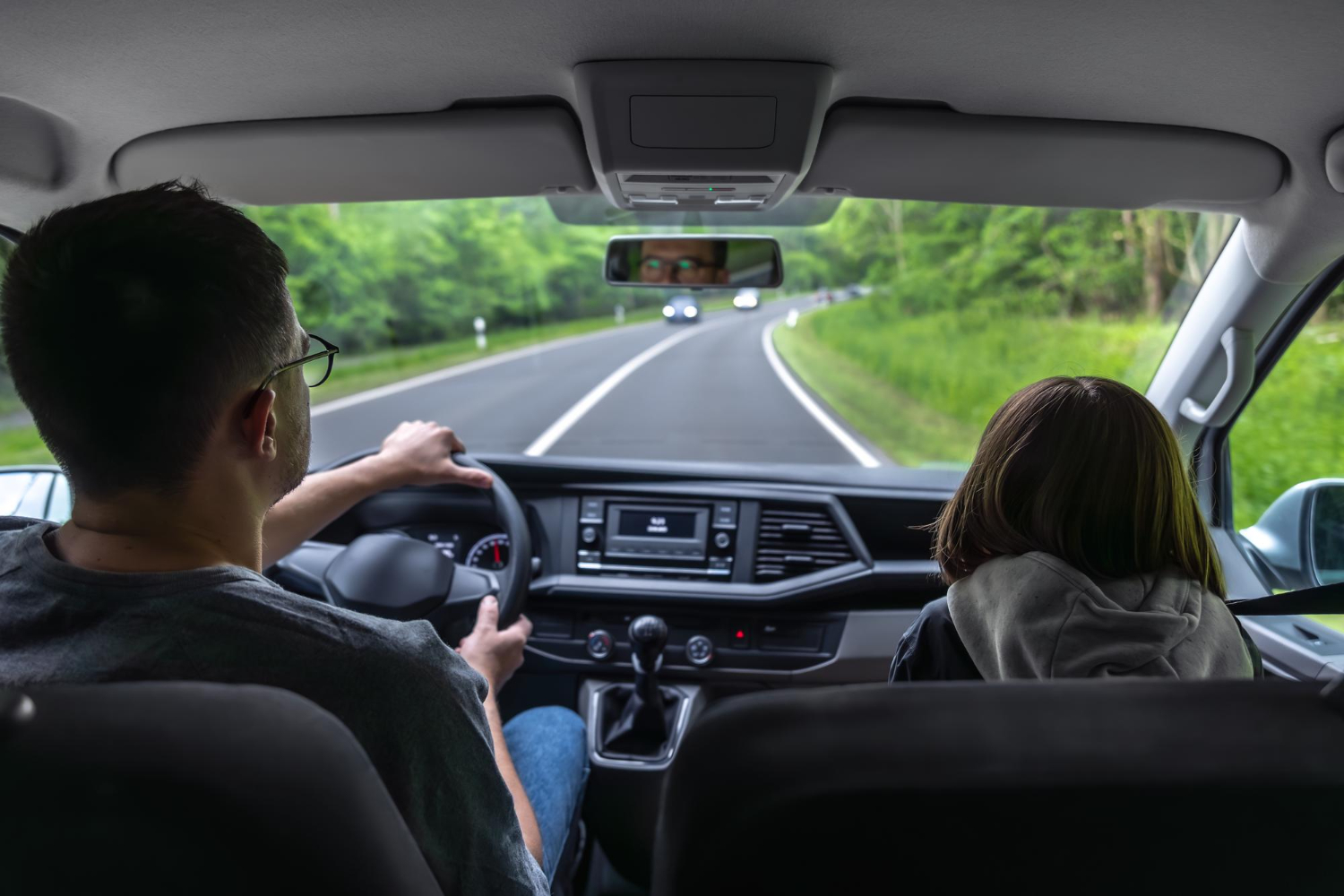
Transportation can quietly eat up a huge portion of your budget—gas, insurance, maintenance, tickets, and daily commuting costs add up fast. The good news? There are practical, proven ways to cut those costs without sacrificing your ability to get where you need to go.
Here are transportation hacks that actually work in real life—not just in theory.
1. Combine Trips (The “One-Run Rule”)
Instead of making multiple trips throughout the week, bundle errands into one outing.
- Plan a route that hits all stops efficiently
- Reduces fuel usage and wear on your car
- Saves time as well as money
Even cutting 2–3 short trips per week can noticeably lower gas costs.
2. Use Gas Price Apps Religiously
Gas prices can vary a lot—even within a few miles.
- Apps like GasBuddy help you find the cheapest nearby stations
- You can also track price trends and avoid filling up when prices spike
This is one of the easiest “set it and save” habits.
3. Carpool Whenever Possible
Sharing rides splits costs instantly.
- Rotate driving responsibilities with coworkers
- Split gas evenly
- Use local groups or workplace boards to find matches
Even carpooling a few days a week can cut your fuel costs in half.
4. Check If You Qualify for Transit Discounts
Public transportation is already cheaper—but many people qualify for even lower fares.
- Students, seniors, and low-income riders often get reduced rates
- Monthly passes are usually cheaper than daily fares
- Some employers subsidize transit costs
Look into your local transit authority’s programs—you might be overpaying without realizing it.
5. Use Multi-Modal Travel (Mix & Match)
You don’t always need to rely on just one method.
- Drive partway, then take a bus or train
- Bike to a transit stop instead of driving the whole way
- Park in free areas and avoid expensive downtown parking
Systems like New York City Subway show how combining options can dramatically cut costs in busy areas.
6. Maintain Your Car (It Saves Money Long-Term)
Skipping maintenance seems cheaper—until it isn’t.
- Keep tires properly inflated (better gas mileage)
- Change oil regularly to avoid major repairs
- Replace air filters to improve efficiency
A small upfront cost can prevent a huge breakdown bill later.
7. Use Cashback and Rewards Programs
You can earn money back on transportation spending.
- Gas station loyalty programs
- Credit cards with fuel rewards
- Cashback apps for everyday purchases
Apps like Upside give you rebates on gas purchases you were already going to make.
8. Try Budget Ride-Sharing Strategies
Ride-sharing can be expensive—but there are ways to use it wisely.
- Choose carpool options within apps
- Travel during non-peak hours
- Split fares with friends
Services like Uber can be cost-effective in specific situations—just not as a daily default.
9. Consider Biking or Walking for Short Trips
This is one of the most underrated money-savers.
- Zero fuel cost
- No parking fees
- Good for your health
Even replacing just a few short car trips per week can lead to real savings.
10. Buy a “Beater” Instead of Financing a Car
If you’re trying to minimize costs, avoid car payments entirely.
- Older, reliable cars are much cheaper overall
- Lower insurance costs
- No monthly loan payments
It’s not glamorous, but it’s one of the most effective long-term strategies.
11. Rent Instead of Own (When It Makes Sense)
If you don’t drive often, owning a car may be unnecessary.
- Use rentals for occasional trips
- Try car-sharing services in urban areas
- Avoid insurance, maintenance, and depreciation costs
This works especially well if you live near public transportation.
12. Track Your Transportation Spending
You can’t reduce what you don’t measure.
- Monitor gas, repairs, parking, and transit costs
- Identify where your money is actually going
- Adjust habits based on real data
Even small insights can lead to smarter decisions.
Saving money on transportation isn’t about one big change—it’s about stacking small, smart habits.
Combine a few of these strategies, and you can significantly reduce your monthly expenses without giving up mobility.
Start simple: plan your trips better, use the right apps, and take advantage of resources already available to you. Over time, those savings add up more than you might expect.