
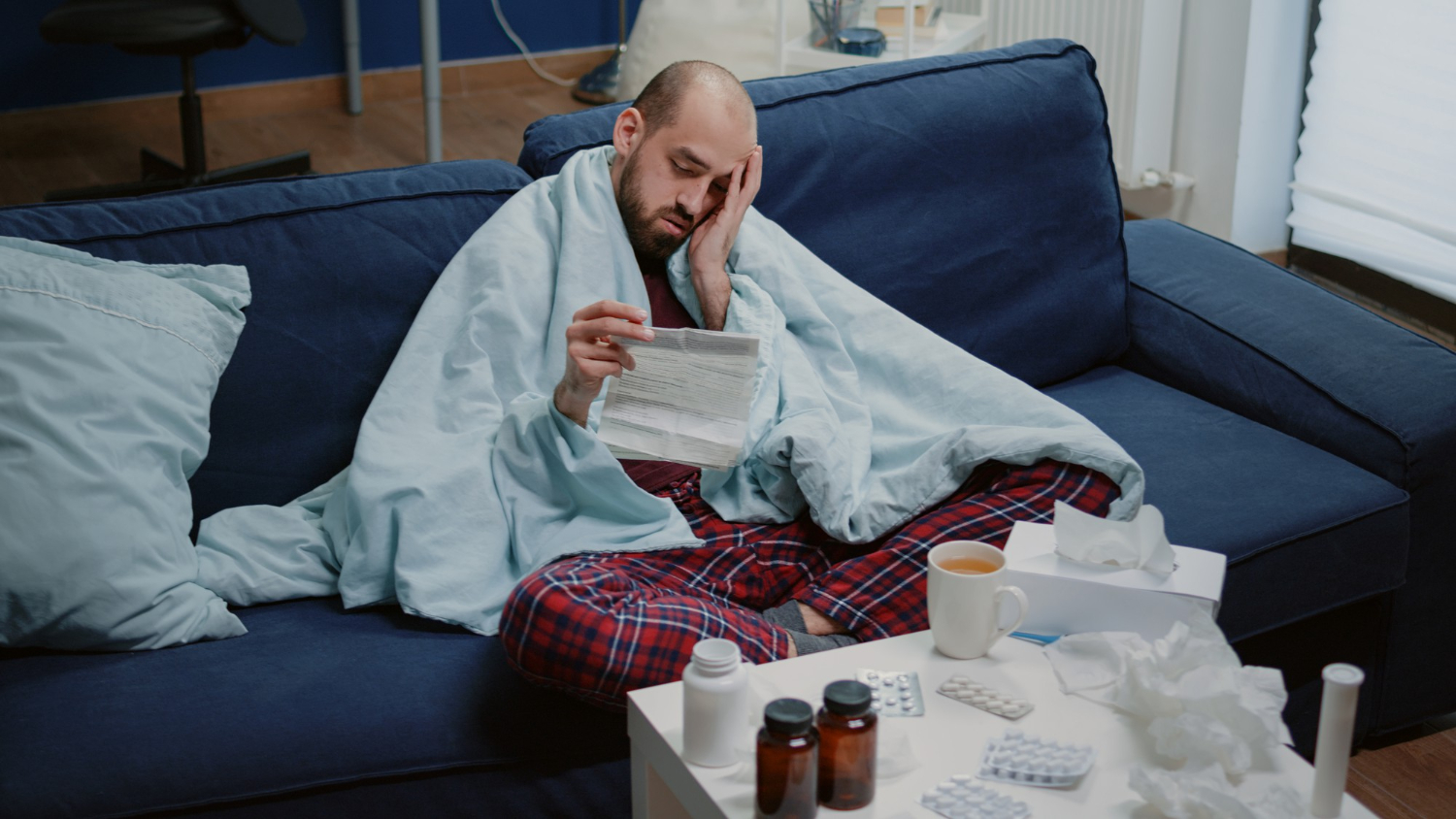
Prescription costs can spike without warning—especially if you’re uninsured or dealing with a high deductible. The good news is there are practical ways to lower what you pay right away, often within minutes.
Here’s how to reduce prescription costs quickly and safely.
1. Ask for the Cash Price (It’s Often Cheaper)
Insurance doesn’t always give you the lowest price.
At the pharmacy, ask:
“What’s the cash price for this medication?”
In many cases:
- The cash price can be lower than your copay
- Especially for generic drugs
This is one of the fastest ways to save—no paperwork required.
2. Use Prescription Discount Apps and Coupons
Discount programs can dramatically lower prices on the spot.
Popular options include:
- GoodRx
- SingleCare
How it works:
- Search your medication
- Show the coupon at the pharmacy
- Pay the discounted price
Many people save 20–80% instantly.
3. Ask for a Generic Alternative
Generic medications contain the same active ingredients as brand-name drugs but cost much less.
Ask your doctor or pharmacist:
“Is there a generic version of this medication?”
Savings can be significant—often a fraction of the brand-name price.
4. Compare Pharmacy Prices (They Vary More Than You Think)
Prices for the same medication can differ widely between pharmacies.
Check:
- Chain pharmacies
- Grocery store pharmacies
- Independent local pharmacies
You might find the exact same prescription for much less just a few miles away.
5. Request a 90-Day Supply
If you take a medication regularly, ask for a larger supply.
Benefits:
- Lower cost per dose
- Fewer pharmacy visits
- Sometimes discounted pricing
Ask:
“Can I get a 90-day prescription instead of 30 days?”
6. Check Big-Box and Grocery Pharmacy Programs
Some retailers offer very low-cost generic medication programs.
For example:
- Walmart offers $4 generic prescriptions for certain medications
These programs can be cheaper than insurance or discount apps for common drugs.
7. Ask About Manufacturer Savings Programs
Many drug manufacturers offer coupons or assistance programs.
These may include:
- Instant discount cards
- Copay assistance
- Free medication for qualifying patients
Search the drug name + “savings program” or ask your pharmacist.
8. Talk to Your Doctor About Cost
Doctors don’t always know what medications cost at the pharmacy.
Be direct:
“I’m concerned about cost—are there cheaper alternatives?”
They may:
- Prescribe a lower-cost medication
- Suggest over-the-counter alternatives
- Adjust dosage to reduce cost
9. Split Pills (Only If Approved)
Some medications cost the same regardless of strength.
Example:
- 20 mg tablet costs the same as 10 mg
- You split it in half (with approval)
This can cut costs nearly in half—but only do this if your doctor or pharmacist confirms it’s safe.
10. Look Into Assistance Programs
If your income is limited, you may qualify for help.
Organizations and programs can:
- Provide free or low-cost medications
- Offer long-term support for chronic conditions
These are especially helpful if you need ongoing prescriptions.
11. Avoid Automatic Refills You Don’t Need
Auto-refill programs can lead to unnecessary spending.
Check:
- Are you still using the medication?
- Do you have leftover supply?
Cancel refills you don’t need to avoid wasted money.
12. Use One Pharmacy for Better Tracking
Sticking to one pharmacy can help:
- Pharmacists may suggest cheaper options
- Easier to track discounts and refills
- Better awareness of your medication history
They can often alert you to savings you might miss.
You don’t have to accept high prescription prices as fixed.
In many cases, a simple question, quick price check, or coupon can reduce your cost immediately.
Start with the fastest steps:
- Ask for the cash price
- Check a discount app
- Compare pharmacies
Even one of these actions can lead to instant savings—and combining them can reduce costs even further.